 SmartHub
 Automation
 Appointment Scheduler
 Lead Management
 Dashboard & Reports
 Task Management
 Communications Hub
 Managed chat
 Voice Receptionist
 Appointment scheduling
 Retainer signing
 Home services
 Lawyers and firms
 Medical services
 College admissions
 Real estate agents
 Marketing agencies
 About
About Partner program
 Estimate Your ROI
 Case Studies
 Blog
Blog FAQs
FAQs Login
LoginWhy High-Intent Leads Go Cold in Under 24 Hours




Products
Industries
Company
Resources

There’s a painful moment every sales team knows too well.
A prospect fills out a demo form. They ask about pricing. They request a callback. They spend time on your product pages, open multiple emails, maybe even revisit your website twice in one day.
Every signal says they’re ready.
And then suddenly, nothing.
No replies. No calls answered. No follow-up engagement. No conversion.
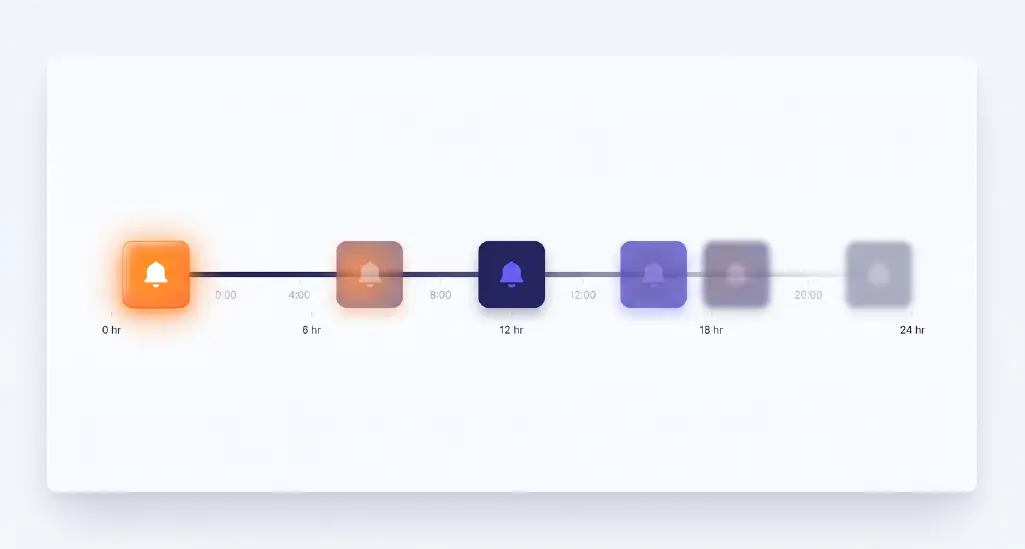
The lead that looked almost certain to close disappears in under 24 hours.
Most businesses assume this happens because prospects “lost interest.” But that explanation is usually too simple. High-intent leads rarely vanish randomly. More often, they go cold because momentum was broken at the exact moment urgency was highest.
What Causes High-Intent Leads to Go Cold?
High-intent leads usually go cold because businesses respond too slowly, fail to maintain momentum, use generic follow-ups, or create friction during the buying process.
And in today’s market, urgency has a brutally short shelf life.
Buyers move faster than they used to. Attention spans are fragmented. Competitors are more aggressive. Expectations around response time have changed completely. The businesses that win aren’t always the cheapest or even the best. Often, they’re simply the fastest to engage meaningfully.
That’s why understanding why high intent leads go cold is no longer optional. It’s one of the most important revenue conversations businesses should be having right now.
Because the gap between interest and inaction is where modern sales pipelines quietly collapse.
Companies often treat lead generation like a mechanical process.
Someone fills out a form.
A rep gets notified.
A follow-up eventually happens.
The pipeline moves forward.
But real buyer behavior isn’t mechanical. It’s emotional.
A high-intent lead usually represents a peak moment of motivation. Something pushed that person to act right now. Maybe frustration reached a tipping point. Maybe a current vendor failed them. Maybe the leadership demanded a solution urgently. Maybe they finally found a product that seemed promising.
The point is: action was triggered by momentum.
And momentum fades fast.
A fitness software company discovered this after analyzing conversion patterns from inbound demos. Prospects who received a personalized response within ten minutes converted at dramatically higher rates than those contacted even a few hours later.
The product didn’t change.
The pricing didn’t change.
The market didn’t change.
Only the timing changed.
That’s because high-intent leads exist in a temporary emotional window. When businesses fail to engage during that window, urgency weakens. Other priorities appear. Doubt creeps in. Competitors enter the picture.
The opportunity cools before the conversation even properly begins.
Modern buyers expect near-instant engagement. In highly competitive industries, the first business to respond often shapes the entire buying conversation. Even a delay of a few hours can reduce conversion rates significantly because buyer urgency fades quickly.
Businesses that prioritize speed-to-lead are more likely to:
Many businesses believe hot leads stay hot automatically.
They don’t.
Interest decays faster now than at any point in modern sales history.
A prospect researching solutions at 11 AM may feel completely different by 5 PM. Meetings happen. Budgets get questioned. Internal distractions emerge. Another company responds faster. A competitor launches a discount. A team member changes priorities.
Intent is fluid.
This is where many lead nurturing strategy failures begin. Businesses assume that because someone showed strong buying signals, they’ll remain equally motivated tomorrow.
But attention doesn’t work like that anymore.
A B2B cybersecurity company learned this painfully after reviewing thousands of inbound inquiries. Their average response time was nearly six hours because sales reps handled leads manually during business hours only.
By the time prospects received callbacks, many had already scheduled demos elsewhere.
The company initially blamed increasing competition.
The real issue was response velocity.
And this is exactly why businesses focused on hot leads conversion are becoming obsessed with timing rather than just acquisition.
Because generating demand means very little if your systems can’t capture momentum quickly enough.
Also read: Summer Surge Ready: Can Your Team Handle More Leads Without Dropping Quality?

One of the strangest things about modern sales is that people interpret silence emotionally.
If a prospect reaches out and hears nothing back quickly, their perception shifts immediately.
They start wondering:
Are these people disorganized?
Do they even want my business?
Will support be this slow too?
If sales takes this long, what happens after I buy?
The silence itself becomes part of the buying experience.
And that experience shapes trust long before contracts are discussed.
A luxury real estate agency once discovered they were losing high-value inquiries simply because follow-ups felt delayed and impersonal. Potential buyers were submitting inquiries for premium listings and receiving generic autoresponders with no meaningful engagement afterward.
Meanwhile, competing agencies were calling within minutes.
The leads didn’t necessarily choose the best properties. They chose the businesses that felt more attentive.
That’s the uncomfortable truth many companies avoid admitting: responsiveness influences perceived quality.
Fast engagement signals professionalism, preparedness, and reliability. Delayed engagement creates uncertainty.
And uncertainty kills conversions.
This is where many businesses accidentally sabotage their own pipeline.
A prospect requests pricing or books a demo, and instead of accelerating the conversation, they’re dropped into a slow nurture sequence built for colder leads.
They receive generic educational emails.
They’re sent blog articles.
They’re added to long-term campaigns.
They’re treated like they’re still “researching.”
But high-intent leads usually aren’t looking for more awareness content. They’re looking for clarity, confidence, and movement.
A logistics software company realized this after studying demo abandonment patterns. Their marketing automation sequence kept pushing awareness-stage content even after prospects requested sales consultations.
The messaging no longer matched buyer intent.
Once they adjusted workflows to prioritize direct engagement instead of extended nurturing, conversions improved significantly.
This matters because lead nurturing strategy isn’t about sending more emails.
It’s about matching communication to buyer readiness.
And timing that communication correctly.
Businesses love talking about differentiation.
Features. Pricing. Branding. Innovation.
But in many industries, the real differentiator is simply who responds first with relevance.
A homeowner searching for solar installation quotes isn’t waiting around for days. A company evaluating CRM software is comparing multiple vendors simultaneously. A healthcare practice seeking automation solutions is often researching under operational pressure.
Whoever enters the conversation first usually shapes the buying narrative.
That doesn’t guarantee conversion. But it dramatically increases the odds.
A SaaS company specializing in HR automation reduced lead response times from four hours to under fifteen minutes using automated lead routing and AI-assisted engagement.
The result wasn’t just more conversations.
It was better conversations.
Prospects were still emotionally connected to the problem they wanted solved. The urgency was alive. Interest hadn’t cooled yet.
That’s the critical factor businesses miss when asking how to convert hot leads faster.
Speed preserves emotional momentum.
And emotional momentum drives decisions.
Also read: Why Speed to Lead Matters Even More During Peak Demand Seasons
AI-powered sales tools help businesses respond to leads faster by automating repetitive tasks, routing inquiries instantly, and maintaining engagement while buyer intent is still high.
Instead of relying entirely on manual follow-up, businesses can use AI to:
This allows sales teams to focus on meaningful conversations instead of administrative bottlenecks.
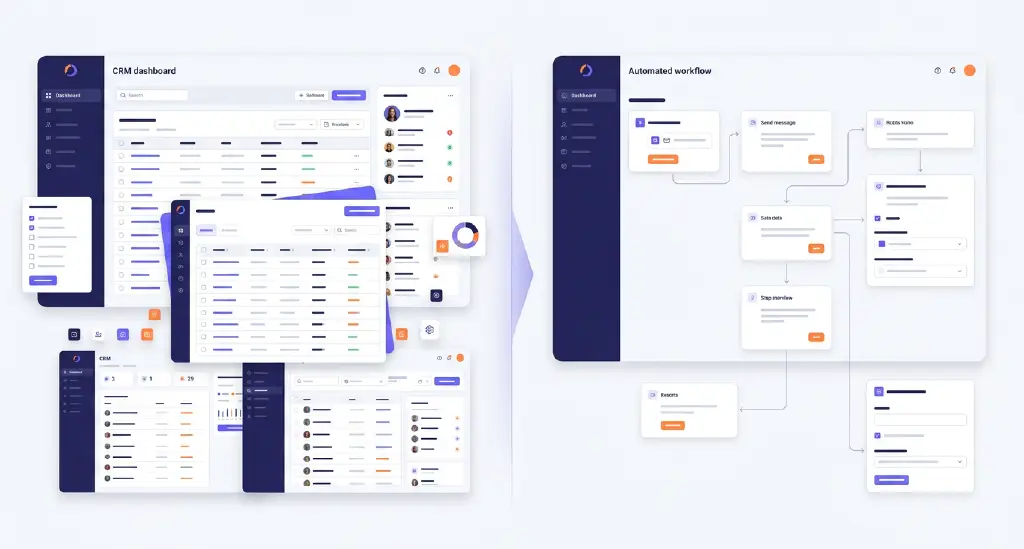
Many businesses still rely heavily on human-dependent workflows for lead management.
Leads sit in inboxes.
Notifications get missed.
CRM updates happen late.
Follow-ups depend on memory.
Conversations become inconsistent.
This worked years ago when buyers moved slower.
It doesn’t work anymore.
Today’s high-intent leads expect immediacy. Not because they’re impatient, but because digital experiences have conditioned them to expect fast responses everywhere.
Think about consumer behavior outside B2B sales.
People can book rides instantly. Order food instantly. Get customer support instantly. Compare products instantly.
That expectation naturally carries into business buying decisions too.
A delayed sales response now feels outdated.
This is why automation has become central to modern hot leads conversion strategies. Not because businesses want less human interaction, but because they need systems capable of maintaining speed consistently.
The strongest companies are using AI and automation to eliminate operational lag while keeping conversations personalized.
Because no matter how talented your sales team is, humans alone struggle to maintain perfect responsiveness at scale.
Not every slow conversion is caused by delayed response time.
Sometimes businesses misunderstand intent completely.
A lead may appear “hot” based on form fills or website activity, but internally they’re still uncertain, comparing vendors, or lacking buying authority.
This creates another common pipeline problem: premature selling.
A manufacturing technology company struggled with disappearing leads despite responding quickly. Their sales reps aggressively pushed demos and pricing before properly understanding buyer readiness.
Prospects felt pressured instead of guided.
Once the company shifted toward conversational qualification instead of rushed closing tactics, engagement improved.
This highlights something important about high-intent leads: urgency should accelerate responsiveness, not eliminate relationship-building.
People still want trust before commitment.
They just don’t want friction.
The best-performing sales teams understand this balance exceptionally well. They move quickly without making buyers feel chased.
That distinction matters more than ever.
Also read: Conversations That Convert vs Conversations That Stall: Spotting the Difference Early
High-intent leads rarely disappear all at once. In most cases, businesses can spot warning signs before engagement completely drops.
Common indicators include:
Recognizing these signals early allows sales teams to re-engage leads before momentum disappears entirely.
One of the biggest reasons why high intent leads go cold is surprisingly simple: inconsistent follow-up after initial contact.
A lead might receive one quick response, but then momentum disappears again.
A proposal takes days.
A meeting recap never arrives.
Questions go unanswered overnight.
The next touchpoint feels delayed and disconnected.
Momentum isn’t only about first response time. It’s about continuity.
A fintech company discovered that prospects who received structured follow-ups within every stage of the buying journey converted far more often than leads handled through ad-hoc communication.
The difference wasn’t aggressive selling.
It was consistency.
People are more likely to buy when conversations feel active, guided, and dependable.
Once communication becomes fragmented, uncertainty returns.
And uncertainty gives buyers permission to disengage.
Here’s something businesses underestimate constantly:
Your lead response process is part of your product experience.
Before prospects even purchase, they’re already evaluating how your company operates.
Are you attentive?
Organized?
Fast?
Helpful?
Reliable?
These signals influence buying decisions long before pricing discussions happen.
A prospect might never consciously say, “I chose them because they replied faster.” But psychologically, responsiveness builds confidence.
And confidence accelerates conversion.
This is especially true in crowded industries where products feel increasingly similar. Buyers often make decisions based on experience quality rather than dramatic feature differences.
That means businesses with poor lead handling systems are quietly damaging perception without realizing it.
And by the time analytics reveal the problem, revenue has already been lost.
The companies converting the highest-intent leads today aren’t necessarily generating dramatically more traffic.
They’re simply better at protecting momentum.
They’ve reduced delays.
They’ve automated repetitive tasks.
They’ve improved response consistency.
They’ve aligned messaging with buyer intent.
They’ve built systems designed around immediacy.
Also read: The Anatomy of a Winning Sales Conversation: What Top-Performing Teams Do Differently
Because modern sales is increasingly about timing orchestration rather than just persuasion.
This is where platforms like Blazeo are helping businesses rethink lead engagement entirely.
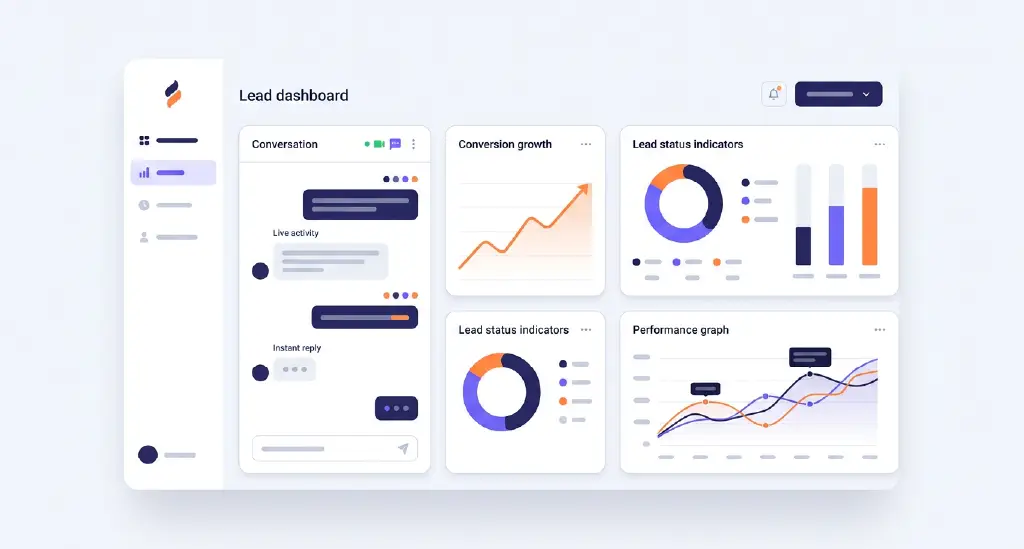
Instead of relying on fragmented workflows and inconsistent follow-ups, businesses can automate responses, centralize customer conversations, improve lead routing, and engage prospects while intent is still active.
And when high-intent leads can cool in under 24 hours, operational speed becomes a competitive advantage instead of just an efficiency metric.
High-intent leads often go cold because businesses fail to respond quickly enough, maintain momentum, or provide relevant follow-up communication during peak buyer interest.
Research consistently shows that responding within 5–10 minutes dramatically improves lead conversion rates compared to waiting hours or days.
Businesses can improve hot lead conversion by automating lead routing, reducing response delays, personalizing follow-ups, and maintaining consistent communication.
Speed to lead matters because buyer intent fades quickly. Fast responses help businesses engage prospects while urgency and emotional motivation are still high.
Yes. AI-powered automation tools can instantly route leads, trigger personalized responses, and help sales teams maintain engagement without delays.
Leads often stop responding due to delayed follow-ups, generic messaging, poor qualification, inconsistent communication, or loss of buying urgency.
High-intent leads don’t disappear because interest suddenly vanishes.
Most go cold because momentum breaks.
A delayed response.
A missed follow-up.
Generic messaging.
Slow internal processes.
Disconnected communication.
Tiny moments of friction create massive revenue losses over time.
And in today’s market, buyers simply move too fast for outdated lead handling systems to survive.
The businesses winning right now understand that timing is no longer a small detail in sales strategy.
It is the strategy.
Because every hour matters when intent is highest.
And if your business wants to engage leads faster, improve responsiveness, and create systems that convert hot prospects before momentum fades, Blazeo can help turn missed opportunities into meaningful growth.