 SmartHub
 Automation
 Appointment Scheduler
 Lead Management
 Dashboard & Reports
 Task Management
 Communications Hub
 Managed chat
 Voice Receptionist
 Appointment scheduling
 Retainer signing
 Home services
 Lawyers and firms
 Medical services
 College admissions
 Real estate agents
 Marketing agencies
 About
About Partner program
 Estimate Your ROI
 Case Studies
 Blog
Blog FAQs
FAQs Login
LoginWhy Personal Injury Law Firms Lose Leads After Hours (And How to Stop It)




Products
Industries
Company
Resources

Personal injury law firms don’t usually lose leads because they lack demand.
They lose them because the phone rings at the wrong time.
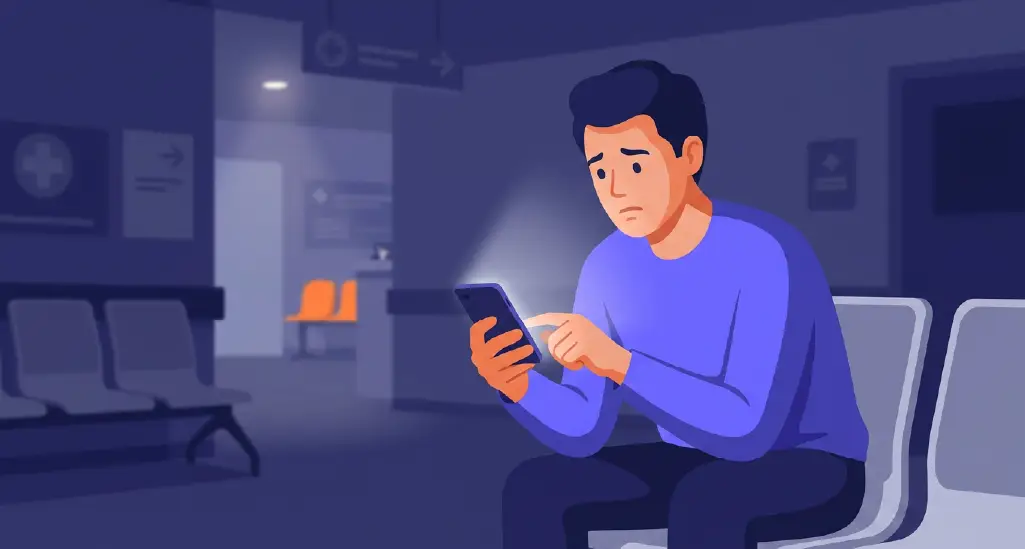
A car accident happens at 11:47 PM. Someone searches “personal injury lawyer near me” while sitting in an emergency room. A worried spouse fills out a consultation form after midnight. A construction worker finally gets home after a 14-hour shift and calls a law office during dinner hours, only to hear voicemail.
By the next morning, that lead is gone.
Not because they changed their mind. Not because they didn’t need representation. But because another law firm answered first.
This is the uncomfortable reality many personal injury firms are facing today. Marketing budgets are increasing. PPC costs are climbing. SEO takes months to build momentum. Firms are spending thousands to generate leads, yet a significant number of potential clients disappear before the first consultation even happens.
And in many cases, the problem has nothing to do with advertising.
It starts after hours.
Why Do Personal Injury Law Firms Lose Leads After Hours?
Many personal injury law firms lose leads after hours because potential clients expect immediate responses following accidents or injuries. When calls go to voicemail or consultation forms remain unanswered overnight, prospects often contact competing firms that respond first. Implementing 24/7 legal intake services with AI and live-agent support helps firms capture, qualify, and convert more leads around the clock.

Personal injury is one of the most emotionally urgent areas of law.
People searching for representation are rarely “just browsing.” They are stressed, overwhelmed, injured, confused about insurance, and often looking for immediate reassurance. Timing matters because the emotional state of the lead matters.
When someone reaches out after business hours and hears nothing back, uncertainty takes over.
They wonder whether the firm is responsive.
They question whether anyone will actually help.
They move on to the next attorney listed on Google.
The legal industry has historically treated intake as an administrative function. But for modern personal injury firms, intake is directly tied to revenue, reputation, and conversion rates.
A delayed response is no longer a minor operational issue. It is a lost opportunity.
Research consistently shows that leads contacted within minutes convert dramatically higher than leads contacted hours later. Yet many firms still rely on outdated workflows where website forms sit untouched overnight and voicemails pile up until the next morning.
The result is predictable: expensive leads quietly disappear.
Many attorneys assume most valuable consultations happen during business hours.
In reality, some of the highest-intent leads come in after hours.
Think about when people actually have time to search for legal help. Most injured individuals are juggling medical appointments, work disruptions, insurance calls, family obligations, and emotional stress throughout the day. The quiet moments often happen late at night.
That is when they begin researching attorneys.
That is when they compare reviews.
That is when they submit consultation forms.
That is when they decide who feels trustworthy.
If a firm disappears after 6 PM, it creates a massive gap between marketing investment and actual lead capture.
And the issue becomes even more serious for firms running paid campaigns.
Imagine paying premium CPCs for “car accident lawyer” keywords only for those clicks to land on a website with no live response system after hours. Every missed call or delayed reply becomes wasted acquisition spend.
Many firms assume they are dealing with a lead generation problem when they are actually dealing with a lead response problem.
Also read: Why High-Intent Leads Go Cold in Under 24 Hours
For years, law firms relied on a simple model.
A receptionist answered during office hours. Voicemails handled everything else.
Later, many firms added basic attorney answering service providers to fill the gap. While that helped capture calls, it often created a different problem: disconnected intake experiences.
Potential clients would call and speak to someone who sounded scripted, detached, or unfamiliar with personal injury intake. Conversations felt transactional instead of empathetic.
And in personal injury law, empathy matters.
A caller who has just been in an accident does not want to feel like they are speaking to a generic call center. They want clarity. They want reassurance. They want confidence that their case matters.
This is where many traditional legal call answering solutions begin to fail.
They answer the phone, but they do not necessarily build trust.
The modern challenge for law firms is no longer simply “How do we answer more calls?”
The real question is:
“How do we create a responsive intake experience that feels human, immediate, and available 24/7?”
Many firms have realized they need faster responses.
But speed without quality can still damage conversions.
An immediate response that feels robotic or impersonal can create just as much friction as no response at all.
This is especially true as more firms experiment with automation.
Potential clients are increasingly aware when they are talking to rigid bots or scripted operators. If the interaction feels cold, repetitive, or confusing, trust drops instantly.
The goal is not to replace human connection.
The goal is to remove response gaps while preserving empathy.
This is why the most effective modern intake systems are moving toward hybrid models that combine AI efficiency with live-agent support.
Instead of choosing between automation and human interaction, firms are beginning to use both together.
Also read: The Cost of Unstructured Conversations: Why Growth Breaks at Scale

The phrase “AI intake” often creates skepticism in the legal industry.
Many attorneys imagine fully automated bots replacing real conversations. But the most effective systems work very differently.
A hybrid intake model uses AI to ensure immediate engagement while live agents step in where human interaction matters most.
For example, if a potential client submits a consultation form at midnight, AI can instantly acknowledge the inquiry, gather preliminary case details, qualify urgency, and keep the conversation active instead of leaving the lead waiting until morning.
At the same time, live intake specialists can seamlessly take over more nuanced conversations that require emotional intelligence, clarification, or scheduling support.
The result feels responsive without feeling robotic.
And for personal injury firms, this changes everything.
Instead of losing leads overnight, firms stay engaged continuously.
Instead of forcing staff to manually monitor intake around the clock, firms create scalable workflows.
Instead of relying on disconnected answering services, they create a unified intake experience across calls, SMS, chat, and web forms.
The firms adopting this model are not just answering more leads.
They are converting more of them.
Consider a typical situation.
A potential client is rear-ended on a highway at 9 PM. They spend hours dealing with police reports, insurance exchanges, and medical evaluation. Around midnight, they finally begin searching online for legal help.
They visit three law firm websites.
The first asks them to “leave a message.”
The second has a contact form with no response.
The third responds instantly through chat, answers basic questions, schedules a consultation, and confirms someone will follow up first thing in the morning.

Guess which firm earns the consultation.
This is not about aggressive sales tactics.
It is about responsiveness during moments of uncertainty.
The firms winning more personal injury cases today are often not the firms spending the most on advertising. They are the firms creating the least friction between inquiry and response.
Lead management in legal used to be relatively simple.
Today, it is fragmented across channels.
Potential clients may call, text, submit forms, use website chat, respond to ads, or engage through social media. If these conversations remain disconnected, firms lose visibility and follow-up consistency.
This is where strong law firm lead management becomes critical.
The issue is not only capturing leads.
It is tracking them, responding quickly, routing conversations correctly, and ensuring no inquiry disappears into operational gaps.
Without centralized intake workflows, firms often experience problems like:
Delayed follow-ups.
Missed callbacks.
Duplicate outreach.
Untracked consultation requests.
Poor handoffs between intake and attorneys.
Over time, these issues quietly reduce signed cases.
Many firms never realize how much revenue leakage is happening because the losses occur before formal consultations are even booked.
Also read: AI Follow-Ups in 2026: Smarter Than Your Average Sales Sequence
People hiring personal injury attorneys are making emotionally driven decisions.
Credentials matter.
Experience matters.
Results matter.
But responsiveness shapes perception long before a consultation begins.
A fast, empathetic intake interaction signals professionalism.
A delayed or disconnected interaction creates doubt.
This becomes even more important in highly competitive markets where multiple firms offer similar services and marketing messages.
The reality is simple:
The client often hires the attorney who made them feel heard first.
Not necessarily the attorney with the biggest billboard.
This is why modern legal intake services are becoming central to business growth strategies rather than remaining back-office operations.
Intake is no longer administrative.
It is part of the client experience.
The strongest intake systems today focus on continuity.
They create experiences where leads never feel abandoned, regardless of the hour.
That means more than just answering calls.
It means integrating intake across voice, chat, SMS, CRM workflows, scheduling systems, and follow-up automation. It means maintaining conversation context so clients do not have to repeat themselves constantly. And it means balancing automation with human support in ways that feel seamless.
The best legal intake services for personal injury firms understand that every missed interaction has a direct financial impact.
But they also understand something equally important:
Every interaction shapes trust.
Firms that treat intake as a relationship-building function consistently outperform firms that treat it as a simple answering process.
The legal industry is shifting toward expectation-based responsiveness.
Consumers no longer compare law firms only against other law firms.
They compare them against every modern digital experience they encounter daily.
They expect fast replies because banks respond instantly.
They expect updates because e-commerce brands provide them automatically.
They expect availability because every major service industry now operates beyond traditional business hours.
Law firms are not exempt from these expectations anymore.
A 24/7 answering service for attorneys is no longer a “nice to have” operational upgrade. In many markets, it is becoming a competitive necessity.
Especially in personal injury law, where urgency directly affects decision-making.
The firms adapting to this shift are building stronger intake pipelines, improving consultation conversion rates, and maximizing the ROI of their marketing efforts.
The firms resisting it continue wondering why leads disappear despite growing ad spend.
There is a reason more firms are moving toward AI-supported intake models.
Not because they want less human interaction.
Because they want better timing, better consistency, and better lead retention.
The future is not fully automated.
And it is not fully manual either.
It is hybrid.
AI handles speed, availability, qualification, routing, and operational consistency.
Live agents provide empathy, reassurance, escalation, and nuanced communication.
Together, they create something most law firms struggle to maintain internally:
continuous responsiveness without operational burnout.
That balance matters.
Because the firms that win more personal injury clients over the next few years will not necessarily be the loudest marketers.
They will be the firms that respond when others stay silent.

24/7 legal intake services allow law firms to respond to calls, chats, texts, and consultation requests at any time of day. These services help ensure potential clients receive immediate engagement, even outside normal business hours.
Most personal injury leads are time-sensitive. When prospective clients cannot reach someone immediately, they often contact another law firm that responds faster.
AI legal intake helps firms engage leads instantly, collect case information, answer common questions, and route inquiries to the appropriate team members for follow-up.
AI intake can provide faster responses and greater availability, but the most effective systems combine AI with live agents to maintain empathy and personalized communication.
A hybrid legal intake model combines AI-powered automation with live intake specialists. AI handles immediate engagement while human agents manage complex conversations and scheduling.
Yes. Faster response times generally improve consultation rates, lead retention, and client conversion, helping firms sign more cases from existing marketing efforts.
Personal injury firms spend enormous amounts of money generating leads, yet many still lose potential clients during the most critical moments: after hours.
The issue is rarely demand.
It is responsiveness.
Modern clients expect immediate engagement, clear communication, and seamless intake experiences regardless of the time of day. Firms relying on outdated voicemail systems or disconnected answering workflows risk losing high-intent leads before consultations even begin.
This is why forward-thinking firms are investing in hybrid legal intake services that combine AI-powered responsiveness with live-agent support. The goal is not simply answering more calls. It is creating trust, reducing friction, and ensuring no opportunity slips through operational gaps.
Blazeo helps personal injury law firms modernize intake with 24/7 AI + live-agent hybrid engagement designed to capture, qualify, and convert leads faster across calls, chat, SMS, and web inquiries. In a market where responsiveness directly impacts signed cases, staying available is no longer optional. It is a growth strategy.
