 SmartHub
 Automation
 Appointment Scheduler
 Lead Management
 Dashboard & Reports
 Task Management
 Communications Hub
 Managed chat
 Voice Receptionist
 Appointment scheduling
 Retainer signing
 Home services
 Lawyers and firms
 Medical services
 College admissions
 Real estate agents
 Marketing agencies
 About
About Partner program
 Estimate Your ROI
 Case Studies
 Blog
Blog FAQs
FAQs Login
LoginMid-Year Revenue Check: Where Leads Are Slipping Through the Cracks




Products
Industries
Company
Resources

The first half of the year usually begins with ambition.
Sales targets are aggressive, marketing budgets are approved with optimism, and teams are energized by fresh campaigns, new launches, and promises of growth. January feels like a possibility. February and March move quickly. By April, pipelines look healthy enough to reassure everyone that things are “on track.”
Then June arrives.
And suddenly, something feels off.
The traffic numbers may still look respectable. Paid campaigns continue to generate clicks. Leads are still coming in through forms, demos, and social channels. But revenue begins telling a different story. Deals take longer to close. Prospects disappear after initial interest. Sales conversations stall midway. Marketing insists lead volume is healthy while sales argues the quality has dropped.
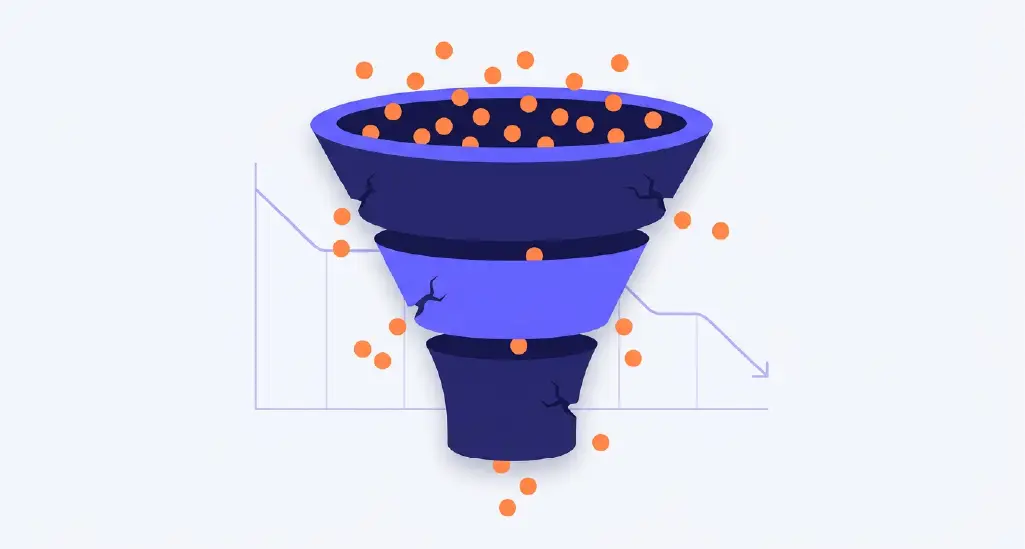
This is the point where businesses discover a hard truth: revenue rarely collapses overnight. It leaks slowly.
And most companies do not notice the leak until the second half of the year is already underway.
A declining lead conversion rate is often one of the earliest warning signs that something deeper is happening inside the customer journey. The problem is that many businesses continue chasing more leads instead of understanding why existing ones stopped converting in the first place.
That is exactly why a mid-year revenue audit matters.
Not as a formality. Not as another spreadsheet exercise. But as a serious evaluation of where attention, trust, momentum, and opportunities are quietly slipping through the cracks.
A lead conversion rate audit is the process of analyzing how prospects move through your sales funnel and identifying where conversions slow down, stall, or disappear entirely.
The goal is not simply to generate more leads. It is to uncover friction points that prevent existing leads from becoming customers.
A proper audit evaluates:
Businesses often discover that declining revenue is not caused by poor traffic volume, but by inefficiencies hidden inside the buying experience.
One of the biggest misconceptions in growth marketing is the belief that conversion problems always come from weak lead generation.
In reality, many businesses already have enough leads. The issue is what happens after those leads enter the funnel.
A SaaS company might spend thousands generating demo requests only to take three days responding to inquiries. An ecommerce brand may drive massive traffic through influencer campaigns but lose customers because checkout feels frustrating on mobile. A B2B service provider may attract the right audience yet overwhelm prospects with lengthy follow-ups that never answer the actual pain point.
None of these businesses technically have a traffic problem.
They have a conversion leak.
And mid-year is when these leaks become more visible because fatigue starts affecting every part of the business ecosystem. Teams become busier. Campaigns become repetitive. Customer expectations evolve faster than internal processes do.
What worked in January no longer feels persuasive in July.
This explains why leads stop converting mid year for many businesses. Consumer behavior changes quietly over time while businesses continue operating with outdated assumptions.
The market becomes noisier. Buyers become more cautious. Attention spans shrink. Competitors improve response times, personalization, and customer experience.
Meanwhile, many companies continue using the exact same messaging, workflows, and engagement tactics from six months earlier.
The result is predictable: fewer conversions despite stable lead flow.
Many businesses lose revenue through small conversion leaks that compound over time.
Some of the most common conversion leaks include:
While each issue may seem minor individually, together they create friction that weakens trust and reduces conversion momentum.
A poor lead conversion rate does more damage than most businesses realize because the effects compound across the entire organization.
Marketing spends more money compensating for lost conversions. Sales teams become frustrated chasing cold prospects. Customer acquisition costs rise. Forecasting becomes unreliable. Leadership loses visibility into what is actually driving revenue.
Eventually, growth begins depending entirely on spending more rather than converting better.
And that is rarely sustainable.
Consider a business generating 5,000 monthly leads with a 4% conversion rate. If that conversion rate falls to 2.5%, the company loses hundreds of potential customers without necessarily noticing an immediate drop in lead volume.
Traffic dashboards still appear healthy.
The pipeline still looks active.
But revenue begins thinning underneath the surface.
What makes conversion leaks especially dangerous is that they often hide in places businesses overlook because they seem “minor.”
A delayed response here.
A confusing landing page there.
A disconnected follow-up email.
An inquiry that never reaches sales.
An automated message that sounds robotic instead of human.
Individually, these moments seem insignificant. Together, they quietly erode trust.
And trust is what converts leads into customers.
Also read: The Pipeline Illusion: Why More Leads Don’t Always Mean More Revenue

Businesses often assume conversion problems require dramatic fixes.
Complete website redesigns.
New CRMs.
New ad strategies.
Entire rebrands.
Sometimes the issue is far simpler.
The customer journey has become exhausting.
Modern buyers expect speed, clarity, personalization, and consistency. When any part of the experience feels slow or disconnected, momentum disappears quickly.
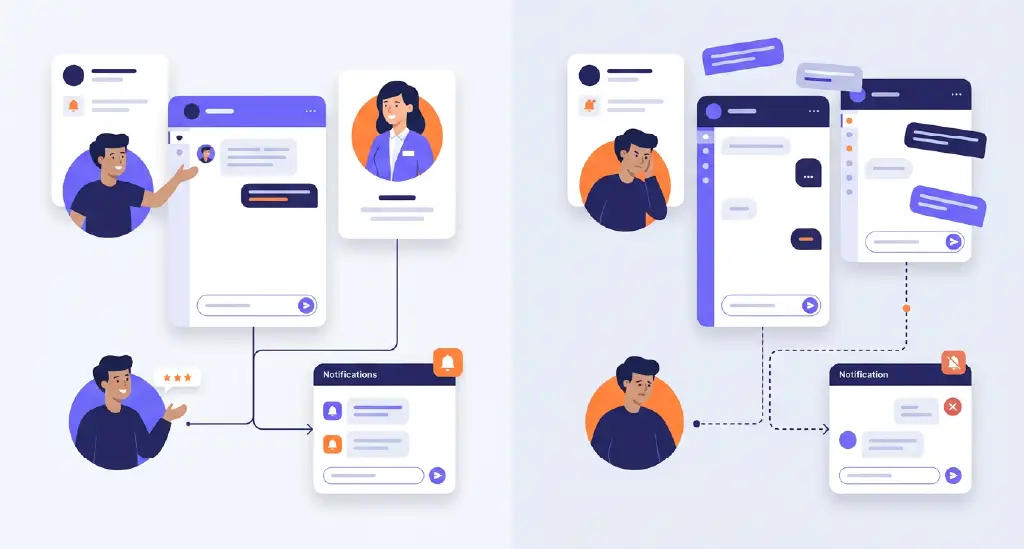
Imagine someone filling out a form after finally deciding to inquire about your service. They are interested in that moment. Their intent is strongest right then.
Now imagine they receive a generic email response saying someone will contact them “within 48 hours.”
By the time that happens, their urgency may already be gone.
Or worse, a competitor responded in five minutes.
This is one of the biggest reasons businesses struggle to improve lead conversion. They focus heavily on acquisition while underestimating the emotional momentum behind buying decisions.
People convert when confidence feels immediate.
Not delayed.
A meaningful mid-year conversion audit should not begin with analytics dashboards alone.
It should begin with questions.
Where are prospects losing interest?
Where does communication feel impersonal?
Where are delays happening?
Where are customers getting confused?
Where are teams assuming instead of listening?
Many businesses discover their biggest conversion leak is not traffic quality at all. It is inconsistency between departments.
Marketing promises one thing.
Sales communicates another.
Support creates an entirely different experience afterward.
To customers, this disconnect feels unsettling. Trust weakens every time messaging becomes fragmented.
A proper audit requires businesses to examine the full customer journey as a living experience rather than isolated touchpoints.
What happens from the moment someone discovers your brand to the moment they decide whether they trust you enough to buy?
That journey matters more than ever now.
Also read: From Lead Capture to Lead Confidence: How to Increase Conversion Rate with Trust
A growing home services company noticed something strange halfway through the year.
Their website traffic had actually increased by nearly 20%, yet booked consultations had fallen.
Initially, leadership blamed ad targeting. Marketing campaigns were adjusted repeatedly, but nothing improved.
Eventually, they reviewed the customer experience itself.
The problem became obvious almost immediately.
Potential customers filling inquiry forms were receiving delayed responses because internal requests were manually routed to different team members. Some inquiries waited nearly twelve hours before anyone followed up.
In a highly competitive service industry, that delay was enough to lose trust.
The company did not need more traffic.
It needed faster engagement.
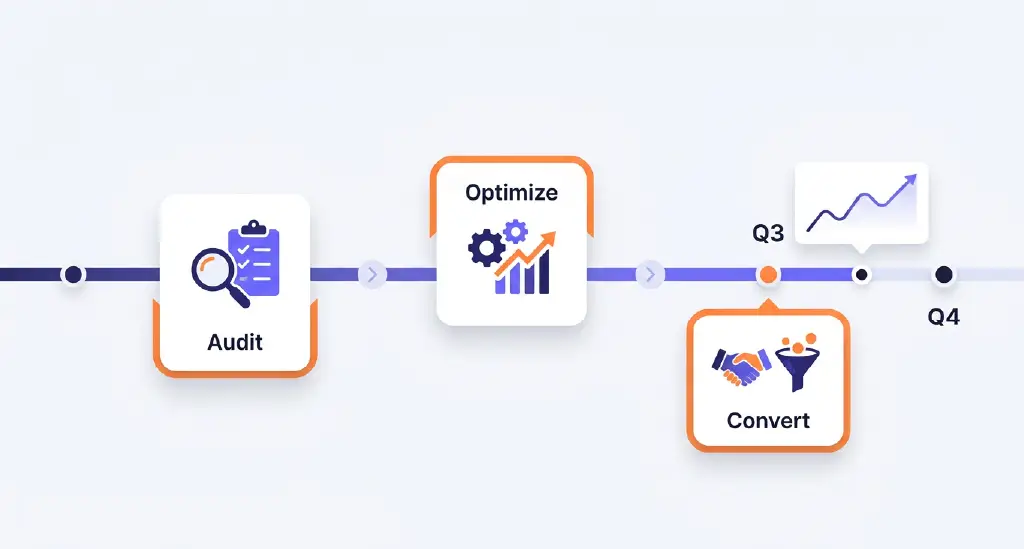
After implementing instant lead routing, automated qualification, and real-time responses, conversion rates improved significantly within weeks without increasing advertising spend.
This is the reality many businesses miss: conversion growth often comes from reducing friction, not generating endless new leads.
As the year progresses, audiences become harder to impress.
Consumers have already seen countless campaigns, offers, promotions, and sales messages. Generic marketing begins blending together.
This is where personalization becomes essential for businesses trying to improve lead conversion rate before entering competitive summer and Q4 months.
And personalization no longer means simply using someone’s first name in an email.
It means understanding context.
Why did this person inquire?
What problem are they trying to solve?
Where did they come from?
What signals indicate buying intent?
Customers increasingly expect businesses to recognize these details automatically. When interactions feel generic, people disengage quickly because they assume the business does not truly understand them.
This explains why conversational engagement tools, AI-assisted follow-ups, and intelligent lead qualification systems are becoming central to modern revenue strategies.
Not because automation replaces people.
But because it removes the gaps where interest disappears.
Also read: What Is Conversion Intelligence? The System That Turns AI Conversations Into Revenue
AI-powered engagement tools help businesses reduce conversion friction by responding to leads faster and creating more personalized customer experiences.
Modern AI systems can:
Businesses increasingly use AI not to replace human interaction, but to eliminate the gaps where customer interest disappears.
This is especially important during mid-year and Q3 periods when response speed and engagement quality directly affect revenue growth.
There is another reason conversion leaks become more severe mid-year: decision fatigue.
Both businesses and consumers experience it.
Internally, teams become reactive instead of strategic. Processes become rushed. Follow-ups lose quality. Messaging becomes repetitive.
Externally, buyers become overwhelmed by choices and increasingly skeptical of promises.
This creates a dangerous combination.
Businesses communicate with less clarity precisely when customers require more reassurance.
The companies that maintain strong lead conversion rates during this period are usually the ones that simplify experiences instead of adding complexity.
They reduce friction.
They communicate faster.
They remove uncertainty.
And most importantly, they sound human.
Because customers do not remember funnels.
They remember experiences.
One of the biggest shifts happening across modern businesses is the realization that conversion optimization cannot belong solely to marketing anymore.
Revenue leaks happen everywhere.
A slow response from sales affects conversions.
Poor onboarding affects referrals.
Weak support interactions affect retention.
Disconnected systems affect trust.
This is why the most effective businesses treat conversion as an ecosystem rather than a department-specific metric.
Every interaction either strengthens momentum or weakens it.
When viewed this way, conversion optimization becomes less about “hacking” growth and more about creating consistency across the customer journey.
That shift matters because modern customers are highly sensitive to disconnects. Even small inconsistencies can create hesitation.
And hesitation kills conversions.
Businesses preparing for summer growth months should focus less on dramatic reinvention and more on identifying silent inefficiencies already affecting revenue.
In many cases, improving conversion rates comes down to responsiveness, visibility, and timing.
How quickly are leads acknowledged?
How personalized are interactions?
How much manual friction exists inside the funnel?
How many opportunities disappear simply because nobody followed up properly?
These questions matter far more than vanity metrics.
Because generating leads is only half the equation.
Converting them is where profitability actually happens.
The businesses that perform best during the second half of the year are rarely the ones shouting the loudest. They are usually the ones creating smoother customer experiences while competitors remain distracted chasing more traffic.
By the time Q4 arrives, it is often too late to repair broken conversion systems properly.
Teams become overwhelmed by seasonal demand, campaign pressures, and aggressive revenue targets. Businesses that ignored leaks earlier in the year usually enter the busiest months already struggling with inefficiencies.
That is why mid-year audits matter so much.
They create an opportunity to pause before momentum becomes harder to recover.
Not every revenue problem requires more budget.
Sometimes it requires better visibility.
Better timing.
Better engagement.
Better systems.
And sometimes, the biggest growth opportunity is not hidden in acquiring more leads at all. It is hidden in finally understanding why existing ones stopped converting.
A lead conversion rate audit analyzes where leads drop off in the sales funnel and identifies friction affecting revenue growth.
Leads often stop converting mid-year because customer behavior changes, competition increases, and businesses fail to adapt messaging or response times.
Businesses can improve lead conversion rates by reducing funnel friction, responding faster, personalizing engagement, and improving follow-up consistency.
Common causes include delayed responses, confusing landing pages, poor mobile experiences, weak follow-ups, and disconnected customer journeys.
Fast response times help maintain buying momentum and build trust before prospects lose interest or choose competitors.
AI helps improve lead conversion by automating responses, qualifying leads instantly, personalizing engagement, and reducing delays in communication.
A declining lead conversion rate is rarely random.
It is usually the result of friction that accumulated quietly over time — delayed responses, disconnected experiences, impersonal communication, or missed moments of intent that slowly weakened trust across the customer journey.
The good news is that these leaks can be fixed before they become expensive long-term problems.
Mid-year is the ideal moment to evaluate what is truly happening inside your funnel before entering the most competitive growth months of the year. Businesses that act now gain the advantage of clarity, responsiveness, and stronger customer engagement while others continue relying on assumptions.
If your business is looking to identify conversion leaks, automate smarter engagement, and create faster, more personalized lead experiences, Blazeo helps brands turn missed opportunities into meaningful revenue growth through AI-powered conversations and real-time lead engagement.